Pinemeadow PGX Offset Driver Review

Written by John VanDerLaan 

*We may earn revenue from the products available on this site and participate in affiliate programs.

Pinemeadow PGX Offset Driver Review Featured Image

We have had readers reach out, asking about a good, cheap driver for beginners and high handicappers, so I picked up a Pinemeadow PGX Offset Driver for under $100 and put it to the test. In this review, I will share my experience with this budget driver, along with the benefits and drawbacks, so that you can decide if it is the best driver for your game.

Quick Verdict

Pinemeadow PGX Offset Driver
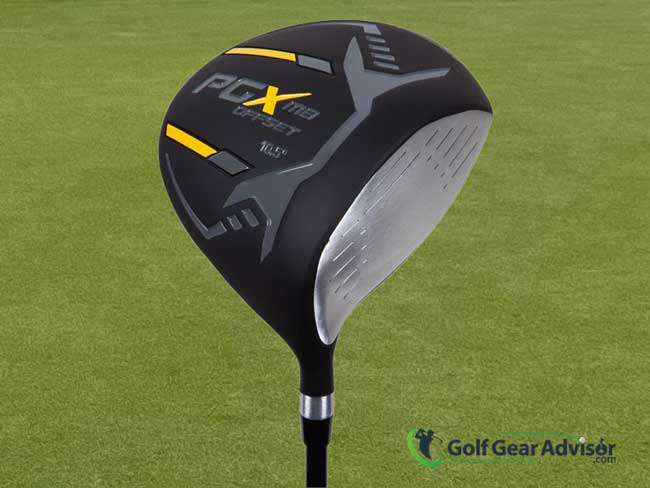
Pinemeadow PGX Offset Driver

Pros:

  • Great price point (under $100)
  • Effective slice reduction through offset design
  • Large sweet spot with maximum forgiveness
  • Easy to launch for moderate swing speeds
  • Matte finish looks great at address
  • Includes matching headcover

Cons:

  • No adjustability (fixed loft, no movable weights)
  • Less premium feel and sound than other drivers
  • Not ideal for shot-shaping or low-handicappers
  • I did not like the stock grip

Introduction: What Is the Pinemeadow PGX Offset Driver?

Author Showing the Pinemeadow PGX Offset Driver Up Close

The PGX Offset Driver is Pinemeadow Golf’s flagship anti-slice club, first popularized in the mid-2010s and still widely purchased online in 2026. This driver works by positioning the leading edge of the clubface slightly behind the shaft line, giving slicers more adjustment time during the downswing to square the face at impact.

The Pinemeadow Golf PGX Driver presents a clean, modern appearance at address. The matte black finish of the driver is designed to reduce glare and is complemented by modern green and white accents, giving it a sleek look that inspires confidence at address.

Pinemeadow PGX Offset Driver Specifications:

Feature

Specification

Head Volume

460cc (USGA maximum)

Loft

10.5°

Lie Angle

58°

Club Weight

200g

Shaft Length

45 inches

Face Progression

17°

The driver is equipped with a regular flex graphite shaft that will fit most beginner and high handicap players. It is also available in a ladies version, with a ladies flex shaft.

The PGX Driver lacks adjustable features, such as adjustable loft or weight settings. Unlike premium brand drivers with movable weights or adjustable hosels, what you purchase is what you get—which keeps the cost remarkably low.

The pgx offset golf driver prioritizes forgiveness and accuracy over raw distance or adjustability. For most recreational golfers, this is exactly the right trade-off.

My Experience With The Pinemeadow PGX Offset Golf Driver

Author Testing The Pinemeadow PGX Driver On The Driving Range

I tested the PGX driver over multiple range sessions, comparing it to some of the premium brand drivers that I own. I then took it out on the course and played 18 holes with it.

Here is what I found:

Performance: I found that the PGX driver hits the ball very straight. During the 18 hole round, I hit all 14 fairways. The ball flight was high and curved very little.

Distance: The PGX driver came up a little short when it came to distance, but it was a fair trade off to the straightness and fairways hit.

Forgiveness: The large sweet spot created by the 460cc head helps maintain ball speeds on off-center hits. Whether you catch it on the heel or toe, the stable PGX driver keeps your shots more consistent than smaller-headed clubs.

Trajectory and Spin: The 10.5° loft encourages mid-to-high launch, helping slower swingers keep the ball airborne longer. While spin rates may be higher than low-spin tour heads, this actually benefits players with moderate swing speeds seeking carry distance.

Consistency: The biggest benefit that I found with the PGX driver is confidence. When you know the face wants to square up, you can step up to the tee and consistently hit fairways instead of searching for your ball in the rough.

Sound: The impact sound is a medium-to-loud metallic “crack,” typical of older titanium driver construction. It’s solid and not tingy, though less muted than many modern carbon-faced models, like the Taylormade Stealth.

Feel: Center strikes feel solid and responsive, giving you immediate confidence that you’ve found the sweet spot. Mishits transmit a slightly duller sensation without harsh vibration, which actually helps players understand strike location and make adjustments.

Workability: This is not the ideal club for shot-shaping. If you’re a low-handicapper seeking nuanced control—drawing and fading on command—you’ll find the offset limiting. It’s designed to hit mostly straight or slight-draw shots, period.

Shaft and Grip: I liked the stock graphite shaft. It is regular flex, and will fit a wide variety of players. I did not like the stock rubber grip. It felt very cheap and got slippery quickly when my hands started to sweat. I would consider changing out to a better grip.

Who Should (and Shouldn’t) Play the PGX Driver?

Author Testing The Pinemeadow PGX Driver

This is a game-improvement club targeted at beginners, high handicappers, and budget-minded golfers who battle a slice.

Best For:

  • Brand-new golfers who started playing recently
  • Casual weekend players seeking a great club without premium pricing
  • Higher-handicap golfers (18+) who fight a persistent left-to-right ball flight
  • The driver is particularly recommended for beginners, high-handicappers, and seniors facing difficulties with slicing

Acceptable For:

  • Mid-handicappers transitioning via lessons who still fight a fade
  • Players seeking a confidence-building fairway finder
  • Those who want to test the offset design without spending on high-end brands

Not Ideal For:

PGA Tour Player John VanDerLaan Testing The Pinemeadow PGX Driver

PGA Tour Player John VanDerLaan Testing The Pinemeadow PGX Offset Driver

  • Low-handicap players who already draw the ball (risk of pulls/hooks)
  • Fast swingers seeking every yard of distance
  • Shot-shapers requiring workability

Alternatives to the Pinemeadow PGX Driver

While the PGX Offset is one of the most affordable anti-slice drivers, there are alternatives across different budgets worth considering.

Performance Golf SF1 Driver - This was the best driver for a slice, after our extensive testing. It is more expensive, at around $250, but it is a better driver than the PGX.

Taylormade Sim2 Max Driver - Highly touted as one of the best Taylormade drivers ever made. The Sim2 Max will benefit a lot of beginners and high handicap golfers looking the performance of a brand name driver at a lesser cost.

Orlimar Slice Killer Driver - Very similar to the PGX Offset driver, but at a slightly higher price.

Final Verdict: Is the PGX Offset Driver Worth It

Yes—for beginners and slicers on a budget, the PGX Offset remains a strong value pick. Its offset design, 460cc head, and budget price make it an easy recommendation for someone buying their first driver or replacing an old, unforgiving model.

Based on my experience, this is a great driver for the price that will help you hit more fairways and enjoy the game without breaking the bank. It is the best cheap driver for beginners and high handicappers.

Pros:

  • Great price point (under $100)
  • Effective slice reduction through offset design
  • Large sweet spot with maximum forgiveness
  • Easy to launch for moderate swing speeds
  • Matte finish looks great at address
  • Includes matching headcover

Cons:

  • No adjustability (fixed loft, no movable weights)
  • Less premium feel and sound than other drivers
  • Not ideal for shot-shaping or low-handicappers
  • I did not like the stock grip

FAQ

Is the Pinemeadow PGX Offset Driver legal for tournament play?

The 460cc head size and 10.5° loft option fall within USGA and R&A conforming rules, making this driver legal for most amateur tournaments and club competitions. Golfers should always verify with their local club or event organizer, but the PGX Offset is generally considered a conforming, game-improvement driver. 

Will the PGX Offset Driver still help if I’m taking lessons to fix my slice?

The driver can complement lessons by making it easier to see straighter drives as your swing mechanics improve, boosting confidence on the second hole and beyond. However, as your swing becomes more neutral or draws, the strong anti-slice bias might eventually cause pulls or hooks. Discuss your driver choice with a coach so equipment and swing changes work together—even at the tee.

How does the PGX Offset compare to a modern premium driver in terms of distance?

While premium drivers with advanced faces and custom shafts may produce a few extra yards for a well-fit golfer, many high-handicap players see similar real-world distance with the PGX Offset. The main difference is consistency and forgiveness per dollar—not raw yards. For beginners or casual players, hitting more fairways with a budget driver often beats squeezing out extra distance with an expensive one.

Can I replace the shaft or grip on the PGX Driver later?

The driver uses a standard hosel and grip size, so a club fitter or local shop can typically re-shaft or re-grip it. Upgrading to a higher-quality shaft or more comfortable grip extends the club’s lifespan and tailors it to your swing as you improve. Consider total upgrade costs versus purchasing a higher-tier driver if you plan multiple modifications—your second purchase might warrant a bigger investment.

Photo of author

John VanDerLaan

John VanDerLaan is the founder and managing editor of Golf Gear Advisor and the parent company Vanco Digital Inc. With over 15 years of experience in golf equipment testing, SEO-driven content publishing, and outdoor sports media, John brings a practical, player-first perspective to every gear review the site publishes. John tests clubs the way serious golfers use them — across multiple 18-hole rounds under real course conditions, and on professional launch monitors including Trackman and GCQuad. His reviews cover drivers, irons, putters, wedges, training aids, and accessories from every major manufacturer. Beyond the equipment side, John spent over two decades coaching his sons, John Jr. and Michael VanDerLaan, from age two through their careers as elite competitive golfers. Both sons won the NCAA Division II Individual National Championship in successive years (2018 and 2019) — a feat no other sibling pair has achieved. John Jr. is currently a PGA Tour player, and Michael is a golf teaching professional. John is an active member of the Outdoor Writers Association of America and is available to the media as a source on golf equipment trends, gear selection for amateur golfers, and youth golf development. Connect with him on Linkedin.

Leave a Comment