
Written by John VanDerLaan
*We may earn revenue from the products available on this site and participate in affiliate programs.

I had the chance to test out the L.A.B. Golf Oz.1 and Oz.1i putters. In this article , I will tell you what the difference is, as well as how they measure up to the other LAB putters I have reviewed, like the DF3, Mezz 1 Max, and the Directed Force 2.1.
Here's what I found.
Summary
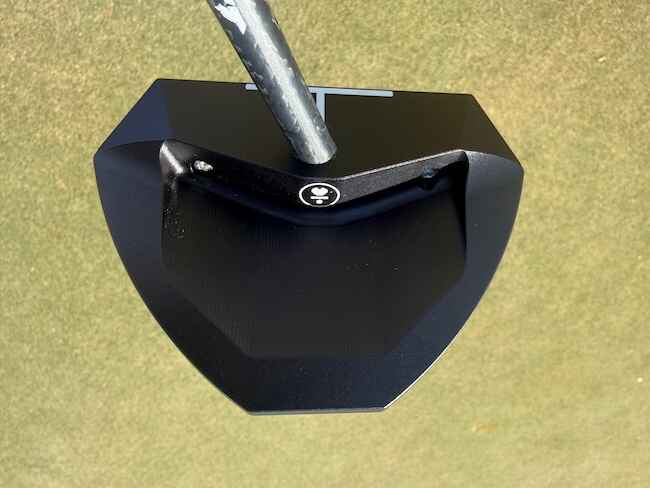
- The LAB Golf OZ.1 is a one-piece aluminum, softer-feel, zero-torque mallet released in 2024 with direct input from Adam Scott.
- The OZ.1i adds a stainless steel insert for a firmer feel and slightly faster ball speed, targeting players who prefer a crisper strike.
- Both share 100% lie angle balanced technology for zero-torque stability and extensive custom options including shaft lean, alignment aids, colors, shafts, and grips.
- OZ.1 suits players wanting softness and distance control; OZ.1i fits those seeking firmer, more “clicky” feedback and extra pace.
- If you want the softer feel, buy the OZ.1. If you want firmer feel with more audible feedback, go OZ.1i.
Introduction
LAB Golf built its brand and reputation on putters that looked like nothing else in the golf industry. The DF3, with its large holes and fang-like extensions, gained massive attention when JJ Spaun used one to win the U.S. Open at Oakmont. But that radical aesthetic kept many traditionalists away—even those intrigued by the zero-torque technology underneath.
Enter the OZ series, co-designed with Major winner Adam Scott and launched to wider retail in late 2024. When people mention the “LAB OZ putter,” they’re typically referring to two siblings: the OZ.1 (solid aluminum putter head) and OZ.1i (same chassis with a face insert). Both share identical lie angle balanced technology. The difference comes down to feel, sound, and ball speed off the face.
This review focuses on real-world performance of both heads. I tested the OZ.1 and OZ.1i in custom specs, 34 inches and 69° lie angle, using the 2° Press grip setup.
The goal is straightforward: help you decide between OZ.1 vs OZ.1i, understand the shaft lean options, and determine whether a LAB OZ belongs in your bag over more traditional putter choices.
- Adam Scott worked directly with LAB Golf on this Oz head shape, and it’s already appearing in tour bags heading
- Both models share identical geometry and lie angle balanced technology; the difference lies in construction, sound, and feel.
- The OZ.1 uses solid aluminum for a softer feel, while the OZ.1i features a stainless steel insert for firmer feedback and slightly faster ball speed.
Design & Technology – What Makes the LAB OZ Putters Different?
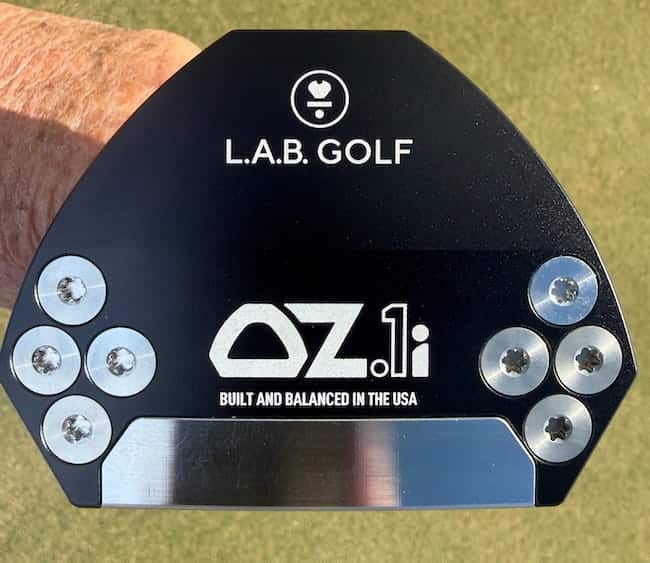
The OZ is LAB’s first “tour-friendly” half-moon mallet built entirely around Lie Angle Balanced engineering. It’s the easiest stepping off point for golfers curious about LAB technology but hesitant to commit to more radical designs.
Understanding Lie Angle Balance
Lie angle balanced technology sounds complex, but the concept is simple. Traditional putters have toe hang—when you balance the shaft on your finger, the toe drops. This means the face naturally wants to rotate during your stroke, requiring hand manipulation to return it square at impact.
LAB putters eliminate this torque entirely. The weighting, shaft placement, and lie angle are tuned so the face naturally stays square throughout your stroke. Less hand manipulation means more consistent face angles at impact, which translates directly to straighter start lines.
OZ.1 Construction
The OZ.1 uses a one-piece, 100% CNC-milled 6061 aluminum body. This material choice serves two purposes:
Lighter weight in the face allows for deep perimeter weighting
The aluminum produces a softer feel and quieter sound at impact
The Type-3 anodized finish provides durability while maintaining the clean aesthetic LAB targeted with this new model.
OZ.1i Construction

The OZ.1i shares the identical body but adds LAB’s first face insert—a mechanically bonded, fly-milled 303 stainless steel insert, same material as used in Scotty Cameron and Bettinardi putters. This adds mass directly behind the ball, producing:
- Firmer feedback at impact
- Higher-pitched sound
- Measurably faster ball speed (confirmed through GCQuad smash factor testing)
Shaft Lean Options
LAB offers two shaft lean geometries:
Shaft Lean | Best Paired With | Ideal For |
|---|---|---|
2° Forward | Press Pistol 2 Degree, Press II grips | Players who want built-in forward press |
0° Vertical | Standard putter grips | Players preferring neutral hand position |

The 2° option pairs with LAB’s press grip family, creating a natural forward press position without conscious effort. The 0° option suits golfers who already use a vertical shaft at address with traditional designs.
Both configurations maintain the zero-torque design that minimizes twisting on off-center hits, leading to straighter start lines and consistent roll from 5–25 feet.
LAB Golf also offers counterbalance grips for the Oz.1 and Oz.1i putters
Looks – Traditional Shape Meets High-Tech
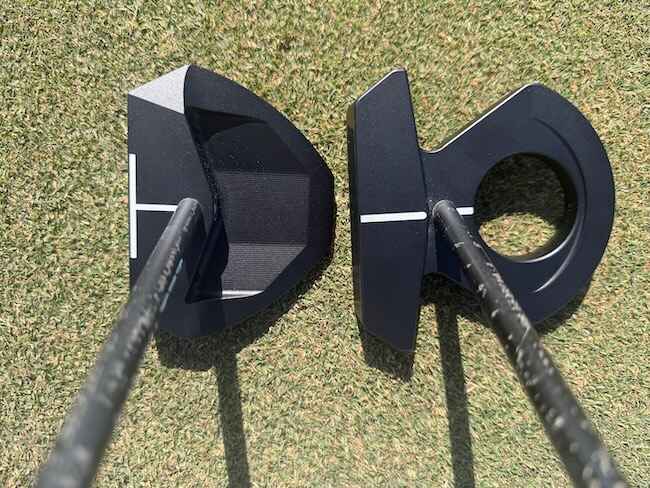
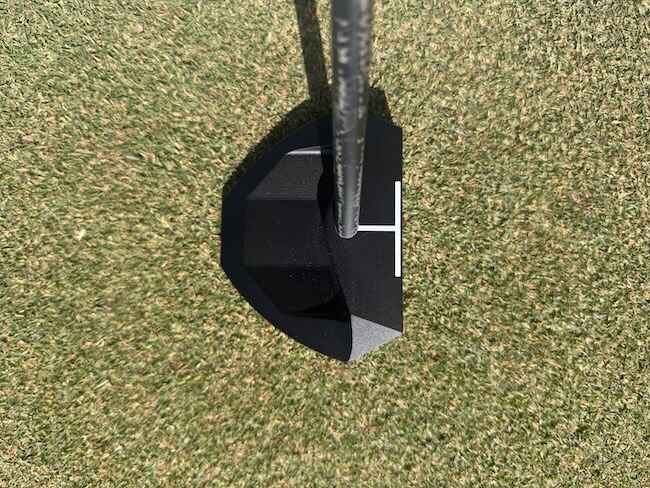
The first thing you’ll notice about the Oz is how conventional it appears compared to earlier LAB models. Gone are the large holes and fang-like extensions of the DF3—this is a compact, tour-inspired mallet with sharp edges and modern geometry that wouldn’t look out of place next to scotty cameron putters in a tour van.
- At address, the OZ.1 and OZ.1i look nearly identical; the main visual difference is the visible steel face insert on the OZ.1i.
- The traditional shape features a flat leading edge, triangular front section, and curved rear that frames the ball—similar to classic scotty cameron style putters but with LAB’s tech underneath.
- Adam Scott’s involvement focused on creating a more traditional putter footprint while housing LAB’s zero-torque weighting system.
- Available finishes include black, charcoal, red, blue, green, and cappuccino, with black making the putter head appear more compact and lighter finishes creating a larger visual footprint.
- Alignment lines are extensively customizable: dozens of front and rear options (single line, triple line, dots, “T” shapes) can be mixed and matched for thousands of permutations.
- Visual effect of shaft lean: 2° gives the classic rear-shafted LAB look; 0° makes the shaft appear more centered like a center shafted putter at address.
- The mallet head shape sits beautifully behind the ball, with the cavity acting as natural alignment aids that draw your eye to the target line, similar to the Odyssey Ai One Double Wide.
Sound & Feel – OZ.1 vs OZ.1i

Despite sharing the same head shape and technology, the OZ.1 and OZ.1i sound and feel distinctly different. This distinction matters more than you might expect—it directly influences confidence and feedback during your stroke.
OZ.1: Soft and Muted
The solid aluminum OZ.1 produces a quieter, more muted impact. With urethane balls, you’ll hear something between a “tick” and a “tock”—never sharp or harsh. The ball feels like it sits on the face a fraction longer, creating a softer feel that many players describe as fantastic feel for delicate speed control.
OZ.1i: Firm and Responsive
The face insert feels fantastic in a different way. The stainless steel creates a firmer, crisper “tock” with higher pitch and more immediate feedback. This sound profile is closer to a classic milled Scotty Cameron or other milled putters in the premium category. The firmer feel provides more tactile information about strike quality.
Center vs. Off-Center Strikes
Center strikes on both models feel remarkably stable with minimal vibration traveling up the shaft. The difference emerges on mishits:
- OZ.1: Off-center strikes remain relatively quiet; feedback is subtle
- OZ.1i: Mishits are more audible and tactile, providing clearer feedback
Some players prefer knowing immediately when they’ve missed the center. Others want the putter to mask minor mistakes. Neither approach is wrong—it’s personal preference.
Longer Putts Reveal the Difference
On longer putts (30–40 feet), the character difference becomes more obvious. The OZ.1 stays soft and subdued regardless of stroke length. The OZ.1i delivers more pop and higher perceived energy transfer, which some players find helpful for committing to bigger strokes.
Grip and Shaft Influence
Grip choice (Press II vs non-Press options) and shaft type (steel vs Accra shaft or other carbon options) will slightly change the vibration profile. However, the fundamental aluminum vs steel-insert character remains consistent regardless of build configuration and putting grip style.
On-Course Performance

We tested both OZ putters on real greens over multiple rounds, covering short-range putts inside 10 feet, mid-range 15-25 feet, and long lags beyond 30 feet. The core performance traits are identical: zero-torque stability, high MOI forgiveness, and consistent end-over-end roll when fitted properly.
Short-Range Performance (Inside 10 Feet)
The Lie Angle Balanced design shines brightest on shorter putts. By reducing face rotation, the putter returns square even on slight yips or handsy strokes. In testing, this translated directly to a higher make percentage.
One reviewer documented 250 putts from 15–20 feet, finding the OZ.1 holed nearly 10% more than their previous gamer. That’s the kind of big difference that saves strokes every round.
Comparing OZ.1 vs OZ.1i on short putts:
- OZ.1: Softer feel suits delicate strokes and fast greens
- OZ.1i: Livelier response and feedback helps players who want more information about strike quality
Neither makes solid contact more consistently than the other—the zero-torque tech handles that equally. The choice comes down to what type of feedback helps your confidence.
Mid-Range Putts (10–25 Feet)

Both models promote strong, end-over-end roll with minimal skid and hop. This consistent roll helps with:
- More predictable break reading
- Better distance control
- Fewer three-putts from “makeable” range
The ball comes off both faces with nearly the same amount of initial energy (with slight advantage to the OZ.1i), but roll characteristics remain remarkably similar once the ball is moving.
Longer Lag Putts (30+ Feet)

Lag putting is where the models diverge meaningfully:
Model | Characteristic | Best For |
|---|---|---|
OZ.1 | Lower smash factor, requires slightly more stroke length | Players who leave lag putts long |
OZ.1i | Extra pop and ball speed | Players who tend to leave longer putts short |
In testing, the OZ.1 averaged 13 inches closer to the hole on lag putts from 35–45 feet compared to traditional putters. The OZ.1i performed similarly but with less stroke effort required.
Forgiveness on Mishits
Deep perimeter weighting and zero torque combine to reduce both distance loss and face deflection on off-center hits. Testing confirmed this forgiveness particularly on mishits toward the toe and heel—strikes that would normally result in significant distance loss with other putters maintained nearly consistent speed.
While the Oz putters are more forgiving than a typical blade putter, due to the high MOI design. They are not the most forgiving putters available today.
Fringe and Off-Green Performance

The torque-free design can feel slightly “locked in” for players who like to open the face or use a more arcing stroke from the collar. Creativity is somewhat limited compared to a traditional toe-hang blade. If you frequently get creative with half-chips and unconventional recovery shots around the green, this may not be your strong suit.
Who Benefits Most?
High handicappers and players fighting face rotation and inconsistency gain the most from LAB technology. Those who already have a soft, feel-based stroke relying heavily on pace and artistry may see smaller improvements—though the consistency gains typically show up over larger sample sizes.
Price & Value
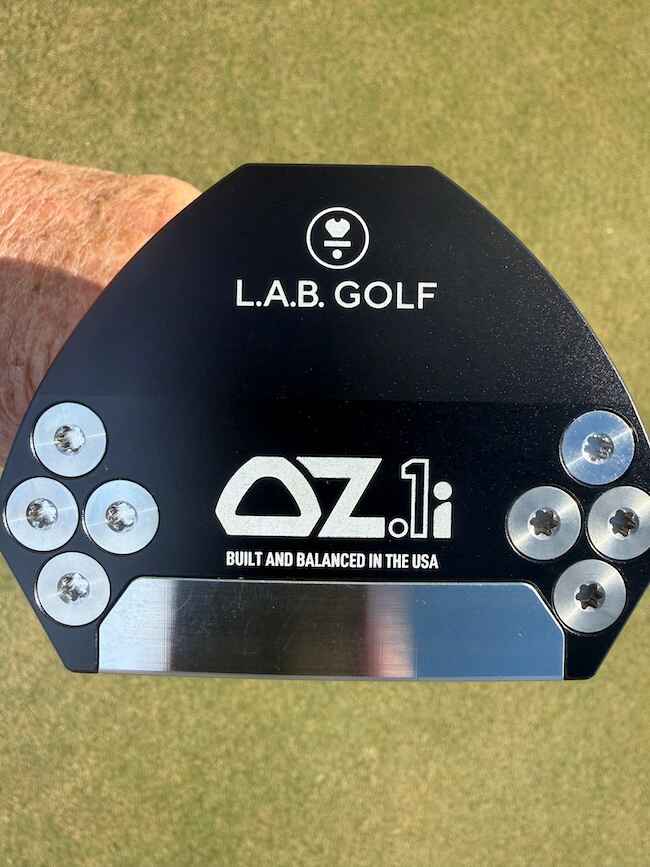
The LAB Golf OZ 1 putter sits firmly in the expensive premium territory. These are serious golf clubs priced for serious golfers willing to invest in stroke consistency.
Current Pricing
- Stock OZ.1 and OZ.1i builds: ~$499 USD
- Custom or upgraded shaft/grip builds: ~$599 USD
Prices shift with premium upgrades and customization. Expect to pay more for Accra shafts, specialty grips, or extensive custom order work.
Competitive Positioning
How does LAB compare to other high-end mallets?
Putter | Approximate Price | Category |
|---|---|---|
LAB Golf OZ.1/OZ.1i | $499–$599 | Lie Angle Balanced mallet |
$450–$500 | Premium milled mallet | |
$350–$450 | Tour-level mallet | |
$300–$350 | AI-designed insert mallet |
LAB competes directly in tour-level pricing. The difference is the technology—no other putter delivers genuine zero-torque performance.
The Value Proposition
For players willing to pay for tech that directly reduces face twist and improves make rate inside 15–20 feet, the cost justifies itself quickly. Consider how many strokes per round inconsistent putting costs you, then compare that to lesson time and practice time required to achieve similar improvements through technique alone.
Who Might Not Realize Full Value
- Golfers who enjoy tinkering and frequently rotate putters
- Players who won’t commit to proper practice and putting drills
- Those satisfied with current putting performance
- Beginners may be better off with a more affordable putter
RELATED: Performance Golf SQ Putter Review
The OZ.1 and OZ.1i are best viewed as long-term gamers purchased with your own money for specific performance reasons—not impulse buys or curiosity purchases. Players who commit to the head shape and feel will see the most benefit over time.
Who Should Play the LAB OZ.1 vs OZ.1i?
Both heads share identical technology. The choice comes down to feel preference, speed control needs, and stroke style.
The Ideal OZ.1 Player
Choose the OZ.1 if you:
- Prefer softer, quieter feel at impact
- Play primarily on faster greens
- Have an aggressive stroke benefiting from lower smash factor
- Want maximum control on shorter putts
- Dislike harsh feedback on mishits
The all-aluminum construction suits players who want the putter to feel like an extension of their hands rather than a separate tool.
The Ideal OZ.1i Player
Choose the OZ.1i if you:
- Like firmer, more responsive strikes similar to milled stainless steel
- Play primarily on slower greens needing extra ball speed
- Struggle with leaving longer putts short
- Want clear feedback about strike quality
- Prefer the sound profile of a milled Scotty style putter
Handicap and Stroke Considerations
Mid- to high-handicappers fighting face rotation benefit greatly from either model. The technology addresses a fundamental flaw in many amateur strokes. Low-handicappers and competitive players may choose based on:
- Subtle feel differences
- Green speeds at their home course
- Personal preference for feedback
Practical Recommendation
If you’re sensitive to feel and sound, try both heads in identical specs before buying. Many golfers have strong preferences they didn’t know existed until comparing side-by-side with a good friend’s different model or demo units.
If trying both isn’t possible, base your choice on typical course conditions:
- Fast greens → OZ.1 (softer feel, more control)
- Slower greens → OZ.1i (firmer feel, more ball speed)
Final Verdict
The LAB OZ putter line successfully blends traditional half-moon looks with the zero-torque technology originally popularized by more radical LAB designs. For the first time, golfers can access Lie Angle Balanced performance without committing to an aesthetic that looks out of place next to other putters in their bag.
The Core Performance Story
Both the Golf OZ 1 putter models deliver:
- Straighter start lines from reduced face rotation
- Improved stability on short and mid-range putts
- Predictable roll profile once fitted properly
- Genuine forgiveness on mishits
The Key Difference
- OZ.1: Softer feel, quieter sound, lower smash factor—ideal for touch players and fast greens
- OZ.1i: Firmer feel, faster ball speed, more feedback—better for players needing extra pop and preferring milled stainless response
Both offer the same high-MOI, Lie Angle Balanced benefits that separate LAB from every other putter manufacturer.
The Bottom Line
Serious golfers who are open to modern technology—and who want to putt better and reduce three-putts without completely overhauling their stroke—should add the LAB OZ to their testing shortlist.
